The Benefits of Hedge Trimming
Maintaining a beautiful and healthy garden involves more than just planting flowers and mowing the lawn. Hedge trimming is a critical aspect of garden care that not only enhances the appearance of your outdoor space but also promotes the health and longevity of your plants.
In this blog, we'll explore the numerous benefits of hedge trimming, how often you should trim your hedges, the best practices for trimming, what to avoid and additional tips to ensure your garden thrives.
Why You Should Trim Your Hedges
Hedge trimming offers a range of benefits that go beyond mere aesthetics. Regular trimming is essential for maintaining the health of your hedges and ensuring they grow in a controlled and desirable manner.
- Enhanced Aesthetic Appeal
Well-maintained hedges add structure and symmetry to your garden, creating a neat and polished look. By regularly trimming your hedges, you can shape them to fit the design of your garden, whether you prefer formal geometric shapes or a more natural, flowing appearance. This not only improves the overall look of your garden but also increases the kerb appeal of your property. - Promotes Healthy Growth
Trimming your hedges encourages healthy growth by removing dead or diseased branches. This process allows more sunlight and air to reach the inner branches, reducing the risk of pest infestations and fungal diseases. Additionally, trimming stimulates new growth, making your hedges fuller and more robust over time. - Prevents Pest Infestations
Overgrown and untrimmed hedges can become a haven for pests, such as insect and unwanted birds. These pests may nest or hide within the dense foliage, potentially spreading to other parts of your garden or home. Regular trimming helps to keep your hedges well-ventilated and less attractive to pests, reducing the likelihood of infestations. - Prevents Overgrowth
Overgrown hedges can block pathways, obstruct views and even interfere with the growth of nearby plants. Regular trimming keeps your hedges at a manageable size and prevents them from encroaching on other parts of your garden. - Increased Privacy and Security
Hedges are often used as natural barriers to create privacy and security around your property. Regular trimming ensures that your hedges remain dense and tall enough to serve this purpose effectively. Over time, an untrimmed hedge can become sparse and less effective as a barrier, so keeping it well-maintained is crucial.
How Often Should You Trim Hedges?
The frequency of hedge trimming depends on the type of hedge, its growth rate and your desired level of maintenance. However, there are general guidelines that can help you determine how often to trim your hedges.
- Fast-Growing Hedges
Fast-growing hedges, such as the Lilly Pilly, Photinia or Murraya, may require trimming every 4-6 weeks during the growing season (spring and summer). Regular trimming helps to maintain their shape and prevent them from becoming overgrown. - Slow-Growing Hedges
Slow-growing hedges typically require trimming once or twice a year. These hedges maintain their shape for longer periods, so less frequent trimming is necessary. - Flowering Hedges
For hedges that flower, it's important to time your trimming to avoid cutting off the flower buds. Generally, you should trim flowering hedges right after they have finished blooming. This allows the plant to set new buds for the next flowering season.
Seasonal Considerations For Hedge Trimming
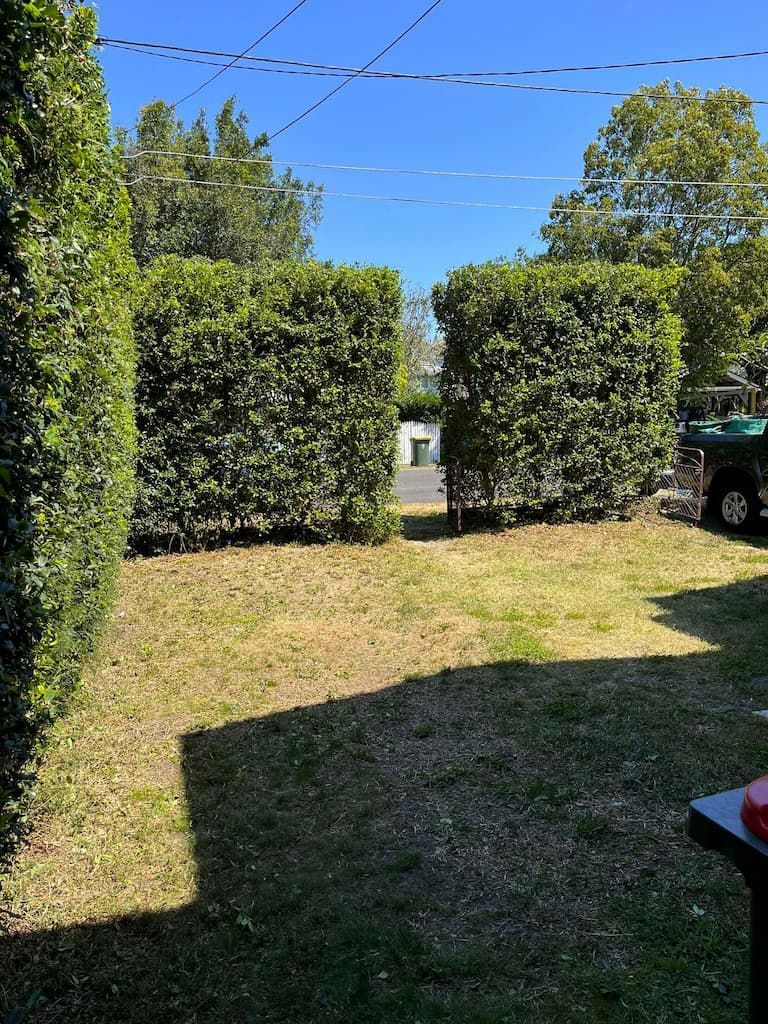
The best time to trim hedges is during the late winter or early spring before new growth begins. This timing helps to shape the hedge and remove any winter damage. Avoid trimming hedges in late summer or autumn, as this can stimulate new growth that may not harden before winter, leading to damage from frost.
Tips for Successful Hedge Trimming
Here are a few tips that can help you achieve the best results and keep your garden looking optimal year-round.
- Consider the Hedge's Growth Habit
Different hedges have different growth habits, and understanding these can help you trim them more effectively. Some hedges have a dense growth pattern and respond well to regular trimming, while others may require less frequent attention. - Water & Feed Your Hedges
Trimming can be stressful for your hedges, so it's important to care for them properly afterward. Water your hedges deeply after trimming to help them recover. Additionally, consider applying a balanced fertiliser in the spring to encourage healthy growth. - Use a Mulch to Protect the Roots
Applying a layer of mulch around the base of your hedges can help retain moisture and regulate soil temperature. This is particularly important in hot or dry climates, where hedges may be more susceptible to stress. - Monitor for Pests & Diseases
Regular trimming provides an opportunity to inspect your hedges for signs of pests or diseases. Early detection is key to preventing serious damage, so keep an eye out for discoloured leaves, unusual growths or insect infestations.
What Not to Do When Trimming Hedges
While trimming hedges is an essential part of garden maintenance, there are common mistakes that can harm your plants or detract from their appearance. Here are some things to avoid when trimming your hedges:
- Over-Trimming
One of the most common mistakes is over-trimming, which can lead to a sparse and unhealthy hedge. Avoid cutting too much at once, especially during the growing season, as this can weaken the plant and reduce its ability to recover. - Trimming at the Wrong Time
Timing is crucial when it comes to hedge trimming. Trimming during the wrong season, such as late autumn, can encourage new growth that may not survive the winter. Similarly, trimming flowering hedges at the wrong time can reduce the number of blooms for the next season. - Using Dull Tools
Using dull tools can result in jagged cuts that damage the hedge and make it more susceptible to disease. Always ensure your shears and trimmers are sharp before you start trimming. - Neglecting Regular Maintenance
Neglecting regular trimming can lead to overgrown hedges that are difficult to manage. In some cases, overgrown hedges may need to be cut back severely, which can result in an unattractive appearance until the hedge recovers. Regular trimming is essential to maintaining a healthy and attractive hedge.
Conclusion
Hedge trimming is an essential part of garden maintenance that offers numerous benefits, from enhancing the aesthetic appeal of your outdoor space to promoting healthy growth and preventing overgrowth.
By trimming your hedges regularly and following best practices, you can ensure that your garden remains beautiful, healthy, and well-maintained year-round.
If you need help getting your
Brisbane garden under control, get in touch with Order Of The Lawn today.