The Impact of Shade on Lawn Health
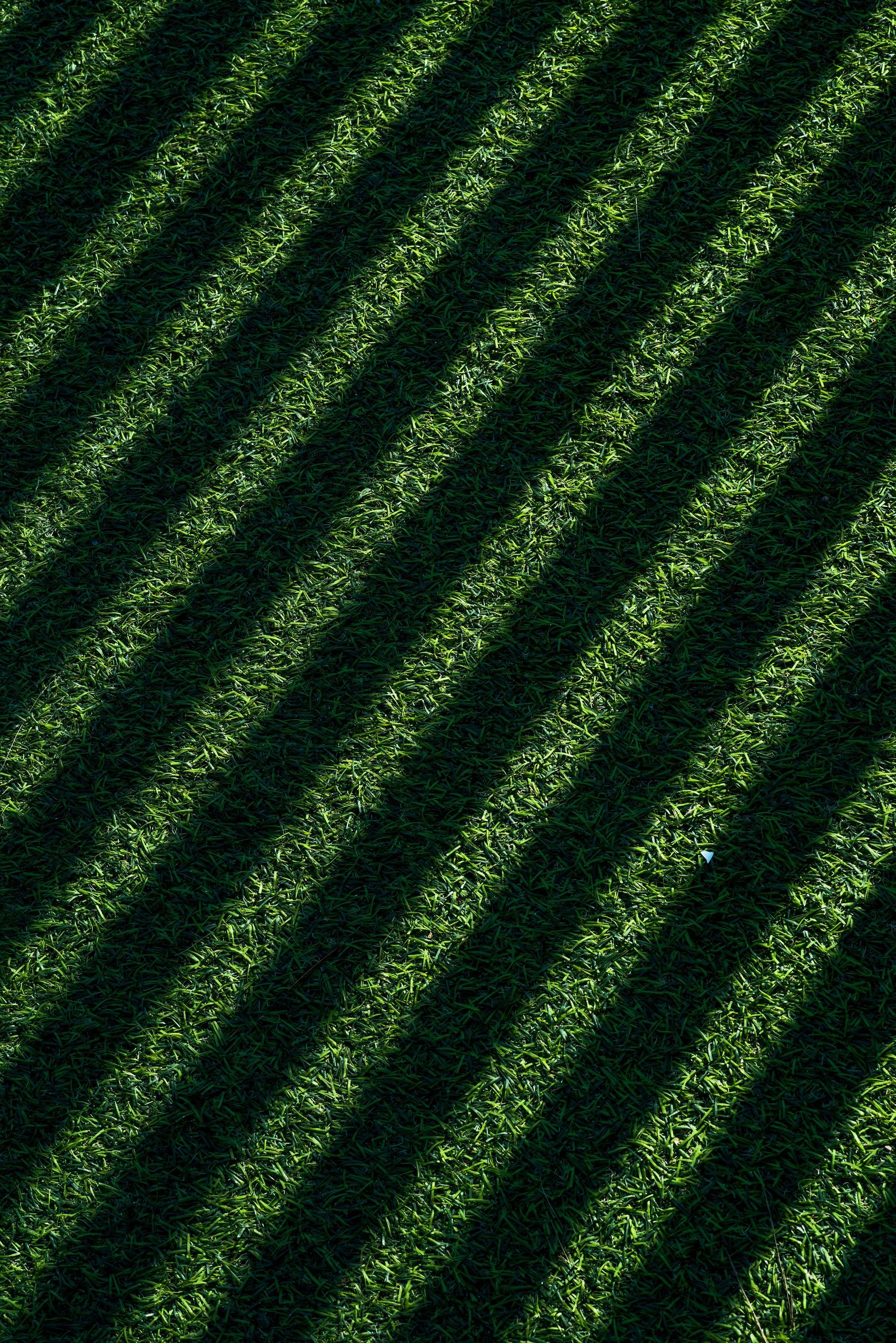
A lush, green lawn is often the centrepiece of any outdoor space—but achieving that perfect turf can be challenging when shade comes into play. Whether it’s caused by trees, fences, buildings, or seasonal sun changes, shade has a significant impact on lawn health. While some level of shade is manageable, prolonged or dense shade can lead to thinning grass, patchy growth, and increased susceptibility to disease.
Understanding how shade affects your lawn is the first step toward managing it effectively. In this guide, we’ll break down exactly what happens to grass in shaded areas, the common problems that arise, and how to maintain a healthy lawn even with limited sunlight.
Why Sunlight Is Essential for Lawn Health
Grass, like all plants, relies on sunlight to survive. Through photosynthesis, grass converts sunlight into energy (glucose), which fuels growth, root development, and overall health.
When your lawn doesn’t receive enough sunlight:
- Growth slows down
- Colour fades
- Energy reserves drop
- Recovery from stress becomes harder
Without adequate light, grass simply cannot produce the energy it needs to thrive.
How Shade Affects Lawn Growth
Reduced Photosynthesis and Energy Production
The most direct impact of shade is reduced photosynthesis. Less sunlight means less energy production, which weakens the grass and slows its growth.
This leads to:
- Slower growth rates
- Reduced root development
- Lower resilience to stress
Over time, the lawn becomes thinner and less vibrant.
Thinner, Weaker Turf
Grass growing in shade adapts by stretching toward available light. This results in:
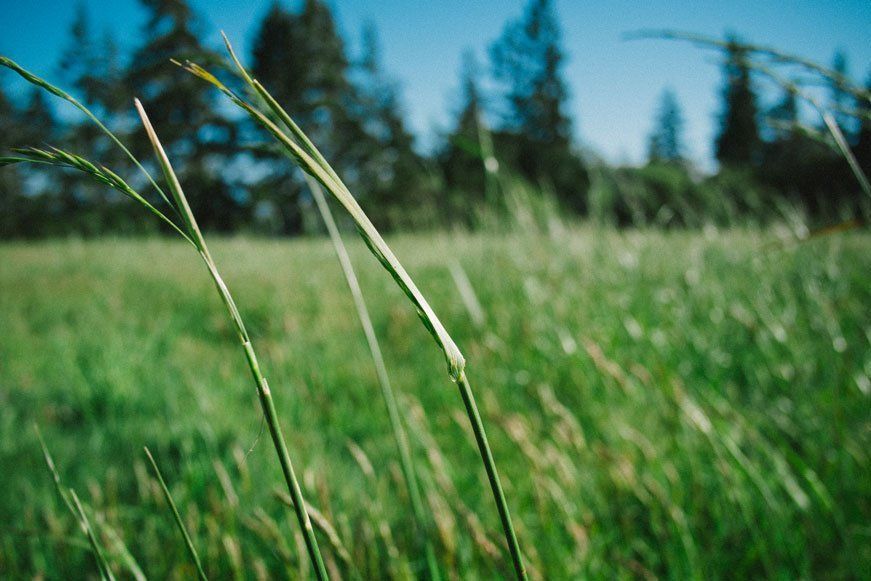
- Longer but thinner blades
- Reduced density
- Less durable turf
These changes make the lawn look sparse and uneven.
In high-traffic areas, shaded grass struggles to recover, leading to worn patches.
Poor Colour and Appearance
Shaded lawns often lose their rich green colour. This is because reduced sunlight limits chlorophyll production—the pigment responsible for the green appearance of grass.
You may notice:
- Yellowing or pale grass
- Dull, washed-out colour
- Uneven lawn appearance
In cooler months, this effect becomes even more pronounced.
Increased Risk of Lawn Problems
Higher Moisture Levels
Shaded areas tend to stay damp for longer because they receive less sunlight and heat.
This creates several issues:
- Waterlogged soil
- Reduced oxygen to roots
- Slower evaporation
Excess moisture can suffocate the lawn and hinder root development.
Fungal Diseases and Moss Growth
Damp, shaded environments are ideal for fungal diseases and moss.
Common problems include:
- Brown patch
- Dollar spot
- Moss and algae growth
These conditions weaken the turf and can quickly spread if not managed properly.
Weed Invasion
Thin, weak grass in shaded areas creates the perfect opportunity for weeds to take over.
Once weeds establish themselves, they compete with your lawn for nutrients and space, making recovery even harder.
Soil and Microclimate Changes
Shade doesn’t just affect the grass—it also changes the environment around it.
Cooler Soil Temperatures
Shaded soil remains cooler, which slows down turf metabolism and delays growth and recovery.
This is why shaded areas often lag behind sunny sections of your lawn, especially after winter.
Compacted and Poorly Drained Soil
Shady areas are more prone to soil compaction and poor drainage, particularly under trees. This further restricts root growth and contributes to lawn decline.
Reduced Airflow
Trees and structures that create shade also block airflow, increasing humidity levels. This contributes to disease pressure and weak turf conditions.
Seasonal Impact of Shade
Shade affects your lawn differently depending on the time of year.
Summer
- Grass requires maximum sunlight for active growth
- Shaded areas struggle to keep up with sunny sections
- Increased competition from trees for water and nutrients
Winter
- Reduced daylight hours intensify shade problems
- Grass growth slows or stops
- Moisture lingers longer, increasing disease risk
You’ll often notice patchy, discoloured areas during this time.
Grass Types and Shade Tolerance
Not all grasses respond to shade the same way. Choosing the right variety can make a big difference.
In Australia, common shade-tolerant options include:
- Buffalo grass (most shade-tolerant)
- Zoysia grass
- Kikuyu (moderate tolerance)
Couch grass, on the other hand, struggles significantly in shaded conditions.
Selecting the right turf for your conditions is one of the most effective long-term solutions.
Practical Ways to Manage Shade
1. Increase Sunlight Exposure
The simplest solution is to reduce the amount of shade where possible:
- Prune trees and shrubs
- Thin dense canopies
- Remove low-hanging branches
Even a small increase in sunlight can significantly improve lawn health.
2. Adjust Mowing Practices
In shaded areas, mowing height matters.
- Keep grass slightly longer
- Avoid scalping the lawn
- Mow less frequently
Taller grass blades capture more sunlight, helping the lawn maintain energy levels.
3. Improve Soil Conditions
Healthy soil supports stronger grass, even in low-light conditions.
- Aerate regularly to reduce compaction
- Add organic matter to improve structure
- Ensure proper drainage
These steps help roots grow deeper and access more nutrients.
4. Modify Watering Habits
Shaded areas retain moisture longer, so overwatering can become a problem.
- Water less frequently
- Avoid watering in the evening
- Monitor soil moisture before irrigating
Proper watering reduces disease risk and keeps the lawn balanced.
5. Reduce Traffic on Shaded Areas
Because shaded turf is weaker, it’s more susceptible to damage.
- Limit foot traffic
- Create pathways or stepping stones
- Rotate usage of lawn areas
This helps prevent wear and tear.
6. Consider Alternatives for Heavy Shade
In areas with dense, permanent shade, grass may never thrive.
Instead, consider:
- Garden beds
- Mulch or decorative stones
- Shade-tolerant ground covers
Sometimes replacing lawn in these areas is the most practical solution.
Conclusion
Shade plays a major role in lawn health, influencing everything from growth rate and colour to disease susceptibility and overall appearance. While some shade is manageable, excessive or prolonged shade can significantly weaken your lawn, leading to thinning grass, weeds, and ongoing maintenance challenges.
The key to success lies in understanding your lawn’s conditions and adapting your approach. By improving sunlight exposure, adjusting maintenance practices, and choosing the right grass type, you can maintain a healthy, resilient lawn—even in shaded environments.
If your lawn is struggling, don’t ignore the shaded areas—they’re often the root cause of the problem. Addressing shade properly can transform your lawn from patchy and weak to thick, green, and thriving.