How To Get Stripes In A Lawn
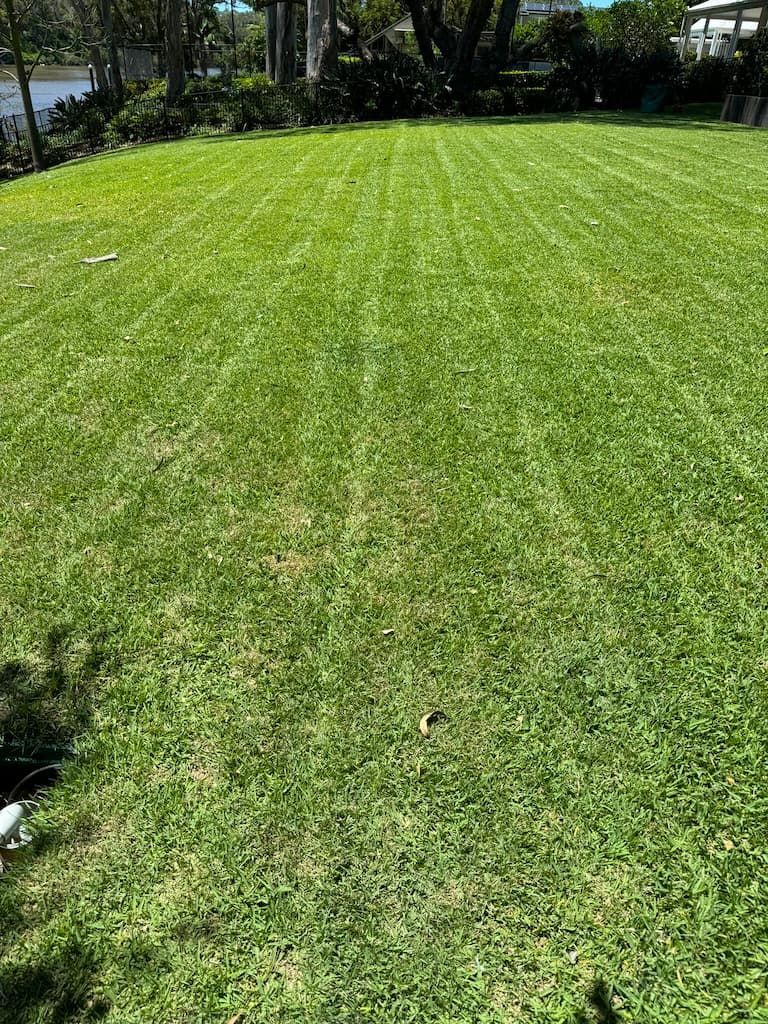
A striped lawn is one of the easiest ways to make your yard look clean, professional, and well-maintained. Those light and dark lines you see on sports fields and premium homes aren’t painted — they’re created by bending the grass in different directions.
With the right tools and technique, you can achieve that same crisp striped look at home. In this guide, we’ll break down exactly how lawn stripes work and how you can create them yourself.
What Causes Lawn Stripes?
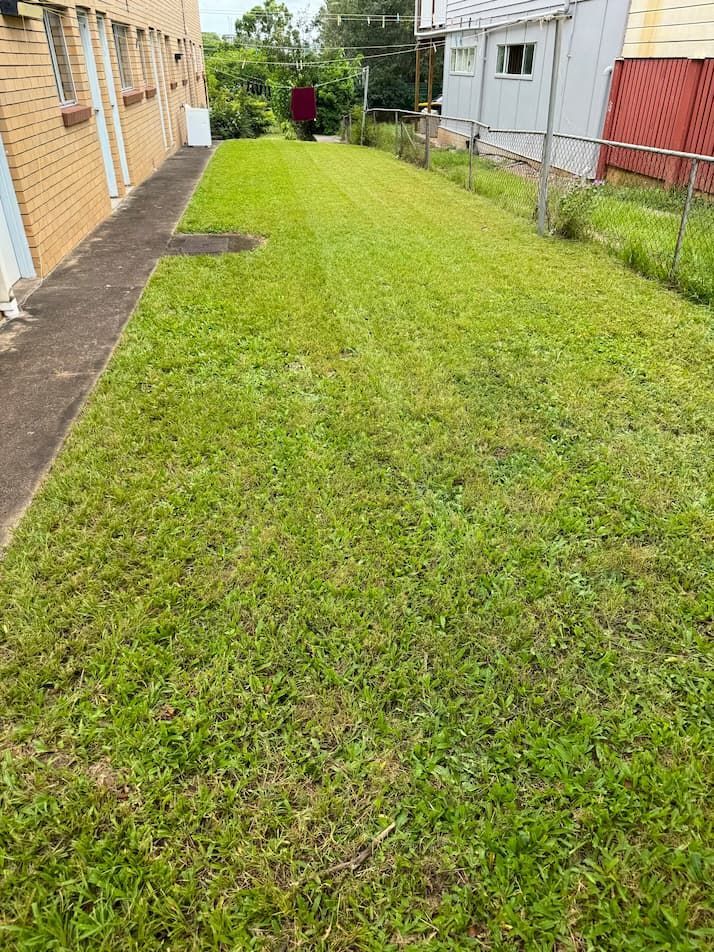
Lawn stripes are created by mowing grass in alternating directions. When the grass blades are bent toward you, they reflect more light and appear lighter. When they are bent away, they appear darker.
This contrast is what creates the striped effect — not different grass colours or treatments.
What You Need To Stripe Your Lawn
You don’t need commercial equipment to get stripes, but a few tools will make a big difference:
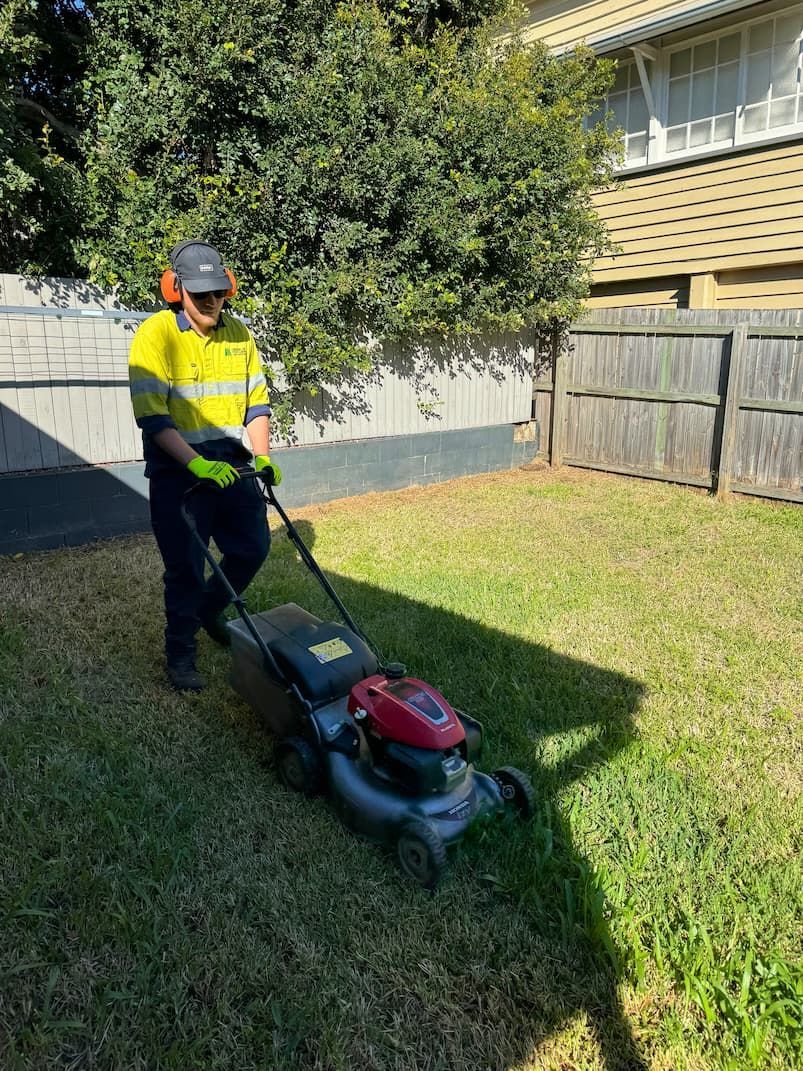
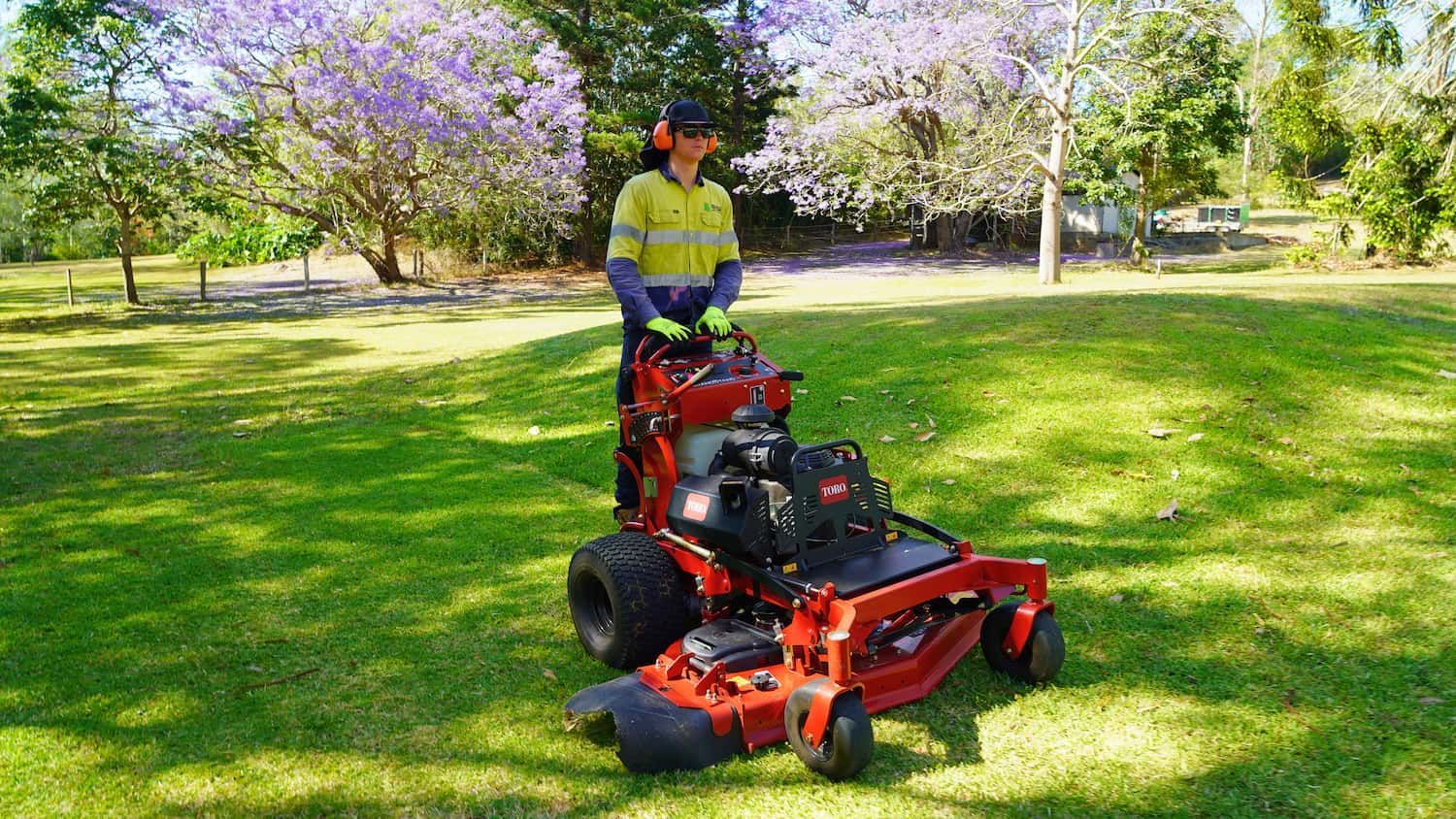
- A lawn mower (preferably with a rear roller)
- A lawn striping kit or roller attachment
- A healthy, well-maintained lawn
- A flat or evenly graded surface
A mower with a roller is ideal because it helps bend the grass consistently as you mow.
Best Grass Types For Lawn Stripes
Not all grass types stripe equally. Some grasses bend more easily and hold the striped effect better.
Cool-season grasses tend to produce the best stripes, but in Australia, common lawn types that can still achieve a striped look include:
- Couch grass (with a sharp mower and low cut)
- Kikuyu (works best when slightly longer)
- Buffalo grass (great for visible stripes due to wider blades)
The key is having enough blade length to bend without damaging the grass.
Step-By-Step: How To Stripe Your Lawn
1. Mow Your Lawn To The Right Height
Start by mowing your lawn to a consistent height. Avoid cutting it too short, as longer grass blades create a more visible striped effect.
A slightly higher cut helps the grass bend more easily and enhances contrast.
2. Choose Your First Direction
Pick a straight line across your lawn — usually along a fence, driveway, or edge. This will be your guide for the first stripe.
Walk in a straight line while mowing to keep the stripe neat and consistent.
3. Alternate Directions On Each Pass
Once you’ve completed your first pass, turn around and mow in the opposite direction right next to it.
This creates the light and dark contrast that forms the stripes.
Continue this pattern across the entire lawn.
4. Use a Roller for Better Results
If your mower doesn’t have a roller, you can attach a striping kit or use a DIY roller.
The roller presses the grass down more firmly, making the stripes more defined and longer-lasting.
5. Finish With a Border Pass
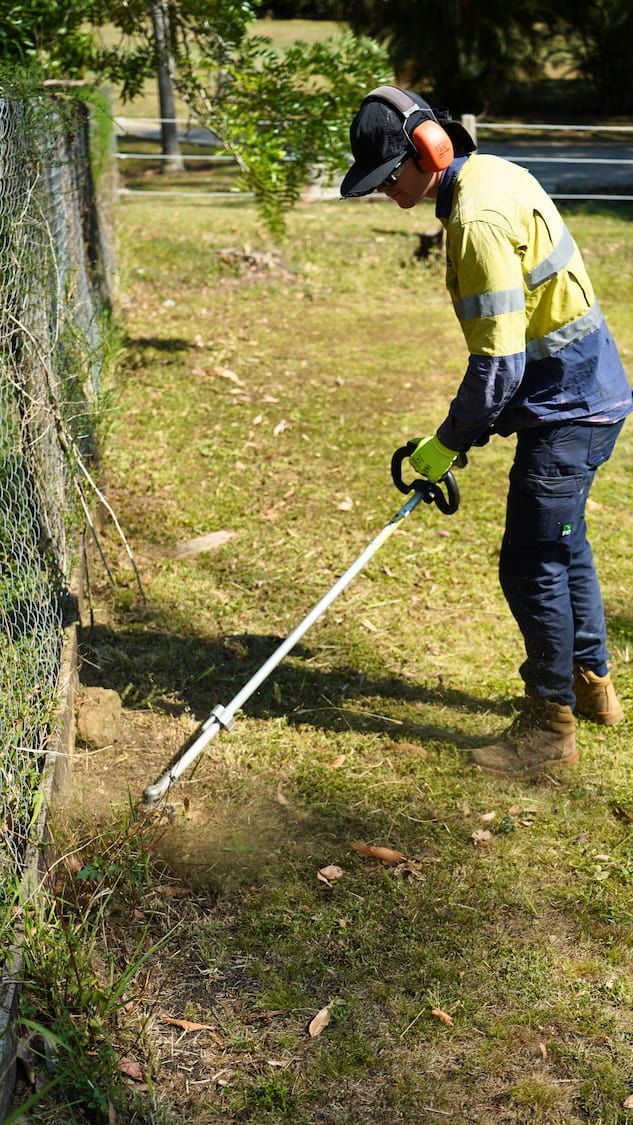
Once your stripes are complete, mow around the edges of your lawn to create a clean border.
This frames the striped pattern and gives your lawn a polished finish.
Popular Lawn Striping Patterns
Once you’ve mastered basic stripes, you can experiment with different patterns:
Straight Stripes
Simple back-and-forth lines — the most common and easiest to maintain.
Checkerboard Pattern
Mow your stripes, then mow over them again at a 90-degree angle to create a criss-cross effect.
Diagonal Stripes
Angle your mowing direction for a more dynamic, eye-catching look.
Circular or Curved Patterns
Great for larger lawns — mow in gentle curves or circles for a unique design.
Tips For Better Lawn Stripes
- Mow when the grass is dry for cleaner lines
- Keep your mower blades sharp for an even cut
- Stick to straight lines using visual guides
- Avoid turning sharply on the lawn to prevent damage
- Change stripe direction every few weeks to keep grass healthy
How To Maintain Lawn Stripes
Stripes don’t last forever — they gradually fade as the grass grows and returns upright.
To maintain the look:
- Mow regularly (once a week during growing season)
- Re-stripe each time you mow
- Water and fertilise your lawn to keep it healthy
- Avoid cutting the grass too short
Consistent mowing is the key to keeping stripes looking fresh and defined.
Common Mistakes To Avoid
Cutting Too Short
Short grass won’t bend properly, making stripes less visible.
Uneven Mowing Lines
Wavy lines ruin the striped effect — take your time and stay straight.
Skipping the Roller
Without enough pressure, stripes can appear faint or inconsistent.
Mowing Wet Grass
Wet grass can clump and flatten unevenly, affecting the final result.
Can Any Lawn Be Striped?
Most lawns can be striped to some degree, but results depend on grass type, lawn health, and mowing technique.
If your lawn is thin, patchy, or uneven, stripes may not appear clearly. Improving lawn health through proper watering, fertilising, and care will make a noticeable difference.
Conclusion
Getting stripes in your lawn is all about technique, consistency, and the right setup. With a quality mower, a simple pattern, and regular maintenance, you can create a clean, professional look that stands out.
It doesn’t require expensive equipment — just a bit of planning and attention to detail. Once you get the hang of it, lawn striping becomes a quick and satisfying way to elevate your outdoor space.