How to Stop Weeds Taking Over Your Garden
Weeds are one of the most common frustrations for homeowners trying to maintain a tidy, healthy garden. They seem to appear overnight, spread quickly, and compete with your plants for water, nutrients, and sunlight. If left unchecked, weeds can take over your lawn and garden beds, ruining the overall look of your outdoor space.
The good news is that with the right approach, you can control and prevent weeds effectively. It’s not just about removing them—it’s about stopping them from coming back. In this guide, we’ll break down practical strategies to keep weeds under control and maintain a cleaner, healthier garden.
Why Weeds Take Over Your Garden
Understanding why weeds thrive is key to stopping them.
Weeds tend to dominate when:
- Soil is bare or exposed
- Grass or plants are weak or sparse
- Nutrients are unbalanced
- There is excessive moisture or poor drainage
When your lawn or garden isn’t thriving, weeds move in quickly and take advantage of the space.
The Importance of Early Weed Control
The earlier you deal with weeds, the easier they are to manage. Young weeds are easier to remove and haven’t yet spread seeds.
If you let weeds mature:
- They develop deep root systems
- They spread seeds across your garden
- They become much harder to remove
Regular maintenance is far more effective than trying to fix a full-blown weed problem later.
Keep Your Lawn Thick and Healthy
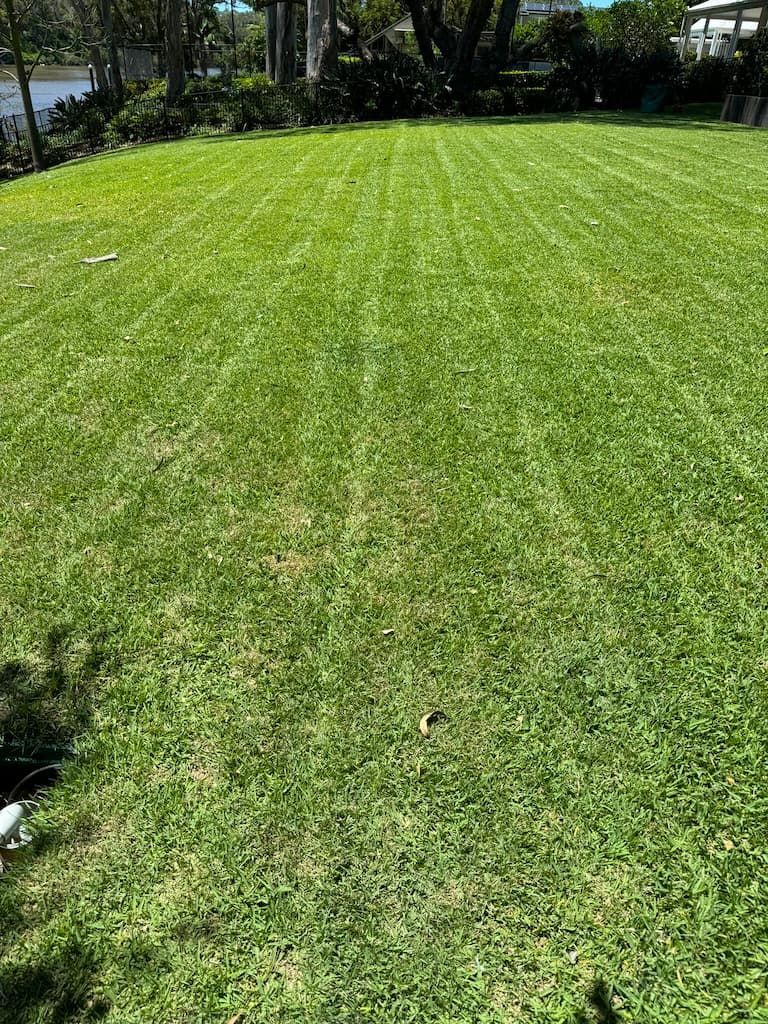
A thick, healthy lawn is your best defence against weeds.
When grass is dense:
- It blocks sunlight from reaching weed seeds
- It reduces space for weeds to grow
- It competes more effectively for nutrients
To keep your lawn strong:
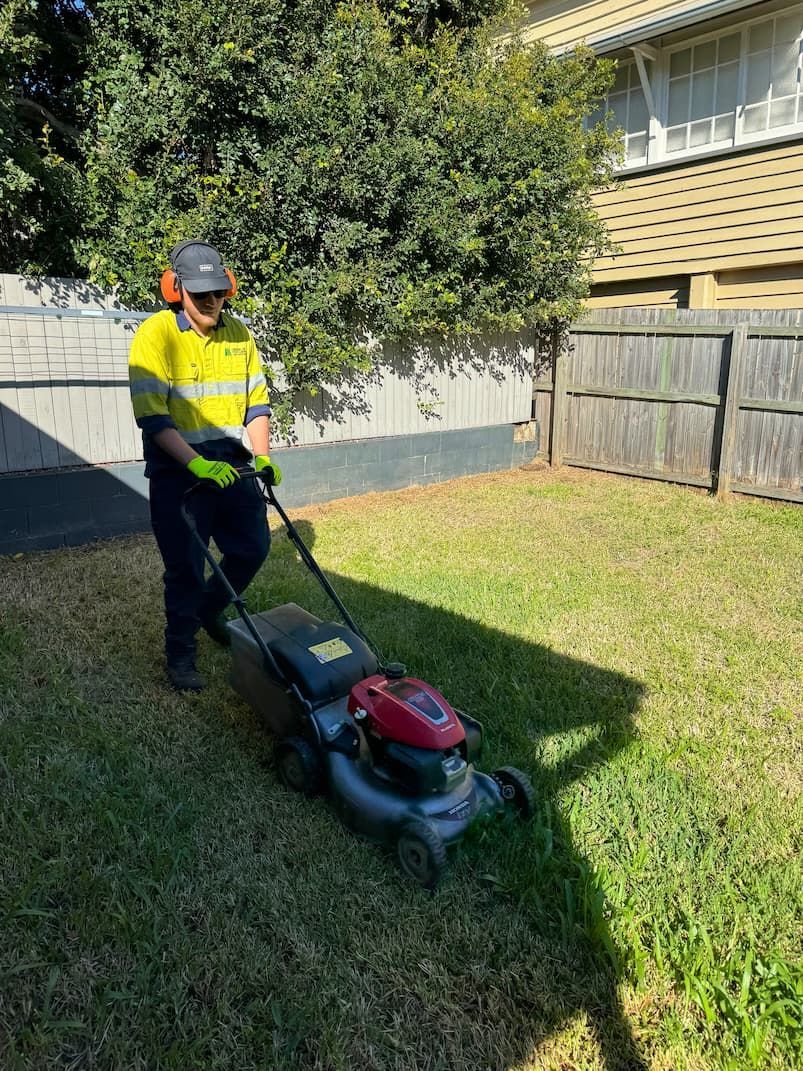
- Mow regularly at the correct height
- Fertilise as needed
- Water deeply but not too often
A well-maintained lawn naturally suppresses weed growth.
Remove Weeds Properly
Simply pulling weeds without removing the root often leads to regrowth.
For effective removal:
- Pull weeds when the soil is moist
- Remove the entire root system
- Use a weeding tool for deep-rooted weeds
For larger infestations, you may need to remove weeds in sections and revisit the area over time.
Use Mulch to Block Weed Growth
Mulching is one of the most effective ways to prevent weeds in garden beds.
Benefits of mulch include:
- Blocking sunlight from reaching weed seeds
- Retaining moisture in the soil
- Improving soil quality over time
Apply a layer of mulch around 50–75mm thick for best results. This creates a barrier that makes it much harder for weeds to establish.
Improve Soil Health
Healthy soil leads to healthier plants—and fewer weeds.
Weeds often thrive in poor or compacted soil. Improving your soil helps desirable plants outcompete unwanted growth.
You can improve soil by:
- Adding compost or organic matter
- Aerating compacted areas
- Balancing nutrients with the right fertiliser
Better soil conditions support stronger root systems and reduce weed opportunities.
Edge Your Garden and Lawn
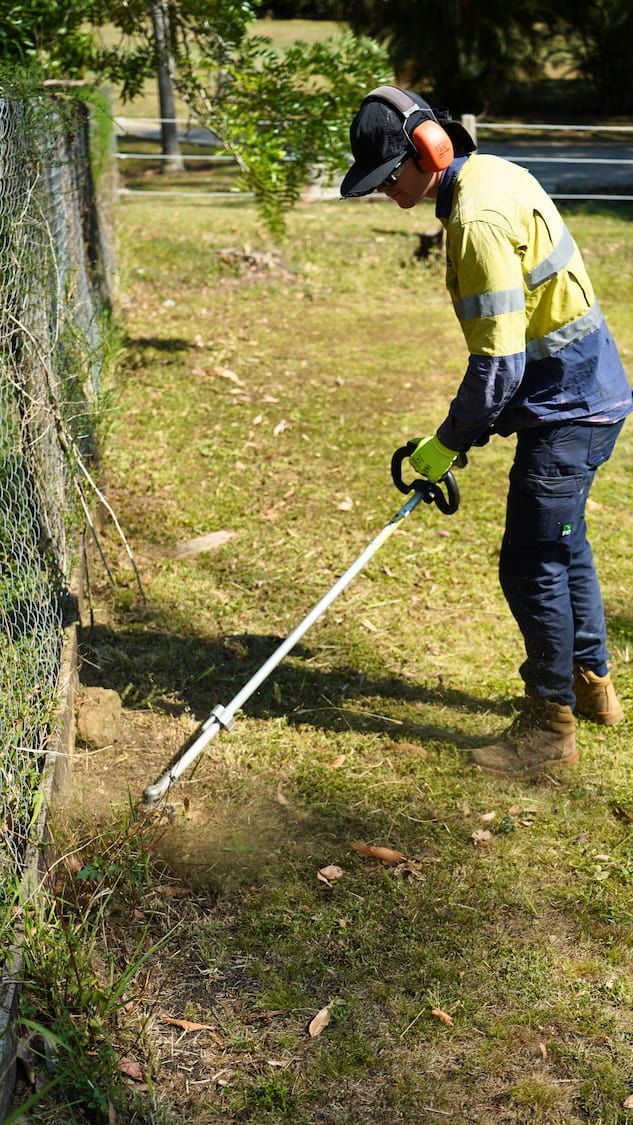
Creating clean, defined edges helps stop weeds from spreading into unwanted areas.
Edging:
- Prevents grass and weeds creeping into garden beds
- Creates a physical barrier
- Improves the overall look of your garden
Regular edging makes maintenance easier and keeps everything under control.
Control Weeds Before They Seed
One of the biggest mistakes is letting weeds go to seed.
A single weed can produce thousands of seeds, which spread across your garden and create ongoing problems.
To prevent this:
- Remove weeds before they flower
- Regularly inspect problem areas
- Stay consistent with maintenance
Stopping the seed cycle is key to long-term weed control.
Use Weed Control Products Carefully
Herbicides can be effective when used correctly, but they should be applied with care.
There are two main types:
- Pre-emergent herbicides (prevent weeds from growing)
- Post-emergent herbicides (kill existing weeds)
Always follow instructions and avoid overuse, especially near desirable plants.
Adjust Watering Habits
Overwatering can encourage weed growth, especially in garden beds.
To reduce weeds:
- Water deeply but less frequently
- Avoid constant damp soil
- Target watering to specific plants
This helps your plants thrive without creating ideal conditions for weeds.
Deal With Problem Areas Differently
Some areas of your garden may always struggle with weeds due to shade, poor soil, or heavy traffic.
In these areas, consider:
- Replacing grass with mulch or gravel
- Adding ground cover plants
- Installing stepping stones or pathways
Sometimes the best solution is to change how the space is used.
Stay Consistent With Maintenance
Weed control isn’t a one-time job—it requires ongoing effort.
A simple routine can make a big difference:
- Weekly visual checks
- Quick removal of new weeds
- Seasonal lawn care
Staying on top of weeds prevents them from becoming a major problem.
Conclusion
Stopping weeds from taking over your garden comes down to prevention, consistency, and maintaining a healthy environment for your plants. By keeping your lawn thick, improving your soil, using mulch, and removing weeds early, you can significantly reduce their impact.
Weeds will always try to find a way in, but with the right approach, you can stay in control and keep your garden looking clean, healthy, and well-maintained all year round.
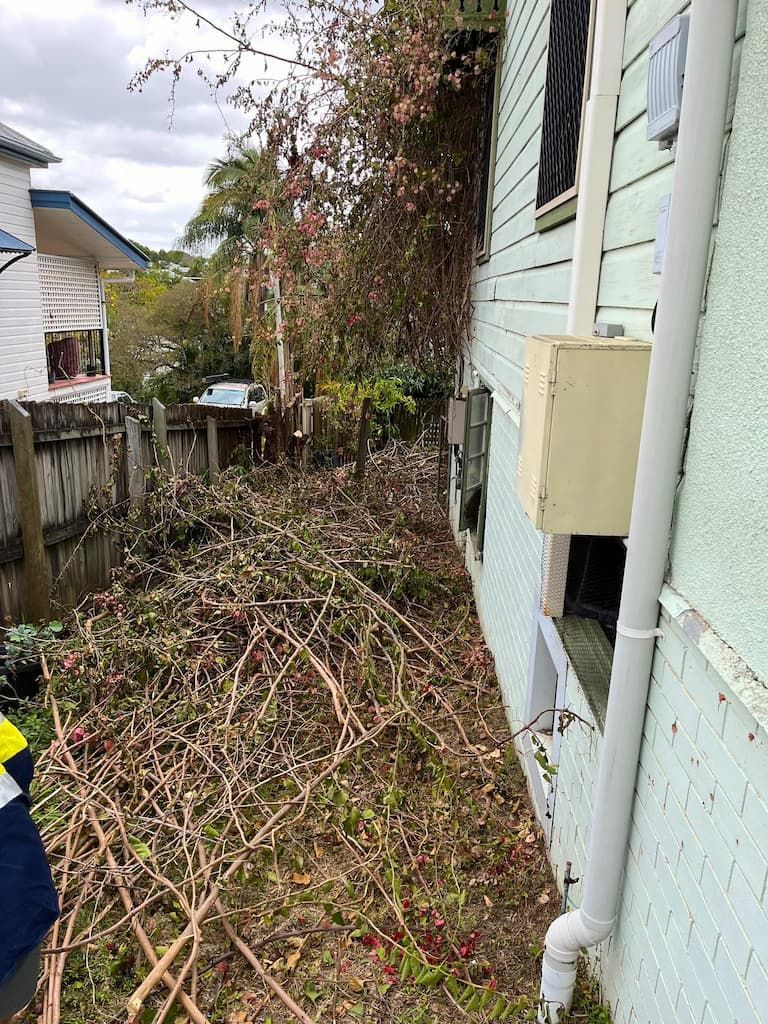
If your garden is already overrun, don’t stress—start small, stay consistent, and you’ll see results over time.