How to Fix Dead Grass
Dead or patchy grass is one of the most common lawn problems Australian homeowners face — especially in South East Queensland where heat, humidity, heavy rain, and foot traffic can all take a toll. The good news is that most dead grass issues can be fixed with the right approach, timing, and care.
Whether your lawn has brown patches, bare spots, or large sections that won’t recover, this guide will walk you through how to diagnose the problem and restore your grass back to a healthy, green lawn.
Is Your Grass Dead or Just Dormant?
Before you start repairs, it’s important to determine whether the grass is truly dead or simply dormant.
Dormant grass often turns brown during hot, dry periods or cooler months but will recover once conditions improve. Dead grass, on the other hand, will not grow back on its own.
How to tell the difference:
- Dormant grass still has firm roots and may show green near the base
- Dead grass pulls out easily and has no green growth at all
- If watering doesn’t improve colour after 2–3 weeks, the grass is likely dead
Knowing this upfront helps you avoid unnecessary work or expense.
Common Causes of Dead Grass in Australia
Dead grass is usually a symptom of an underlying issue. Fixing the cause is just as important as fixing the lawn itself.
Heat stress and lack of water
Extended heatwaves and inconsistent watering are one of the biggest lawn killers in Queensland. Shallow watering encourages weak roots that can’t cope with extreme temperatures.
Overwatering or poor drainage
Too much water can suffocate grass roots, leading to fungal disease and root rot — especially in low-lying areas.
Soil compaction
Heavy foot traffic, pets, kids, or vehicles can compact soil, preventing water, air, and nutrients from reaching roots.
Lawn pests
Armyworms, lawn grubs, and beetle larvae can destroy grass from below the surface.
Mowing mistakes
Cutting grass too short (scalping) weakens the lawn and exposes roots to heat stress.
Nutrient deficiencies
Poor soil health or lack of fertiliser can slowly starve your lawn.
Step 1: Remove Dead Grass and Thatch
Start by clearing out the damaged area so new growth has space to establish.
- Rake away dead grass, weeds, and debris
- Remove any thick thatch buildup
- For larger areas, use a dethatching rake or scarifier
This step improves airflow and allows seed or turf to make proper contact with the soil.
Step 2: Improve Soil Health
Healthy grass starts with healthy soil.
Aerate compacted areas
Use a garden fork or core aerator to create holes in the soil. This allows:
- Better water penetration
- Improved root growth
- Increased nutrient absorption
Top up with quality soil
Apply a lawn-specific topsoil or sandy loam to bare areas. Avoid cheap fill soils that compact easily.
Step 3: Decide Between Seeding or Returfing
Your next step depends on how damaged the lawn is.
When to overseed
Overseeding works best for:
- Small dead patches
- Thin lawns
- Minor heat damage
Choose grass seed suitable for Australian conditions, such as:
- Couch
- Buffalo (seeded varieties only)
- Kikuyu
Keep in mind that seeded lawns require patience and consistent watering.
When to Returf
Returfing is the better option if:
- Large sections are completely dead
- You want faster results
- The lawn has recurring issues
Fresh turf provides instant coverage and reduces weed invasion.
Step 4: Water Correctly (Not More)
Improper watering is one of the biggest reasons lawns fail.
Best watering practices:
- Water deeply, not daily
- Aim for 2–3 deep waterings per week
- Early morning is best to reduce evaporation
- Avoid evening watering which can promote fungus
Deep watering encourages strong root growth and long-term lawn resilience.
Step 5: Fertilise at the Right Time
After repair, feeding your lawn helps speed up recovery.
- Use a slow-release fertiliser
- Avoid over-fertilising — this can burn grass
- Apply during active growing seasons (spring and early summer)
Organic fertilisers are a great option for improving soil structure as well as grass health.
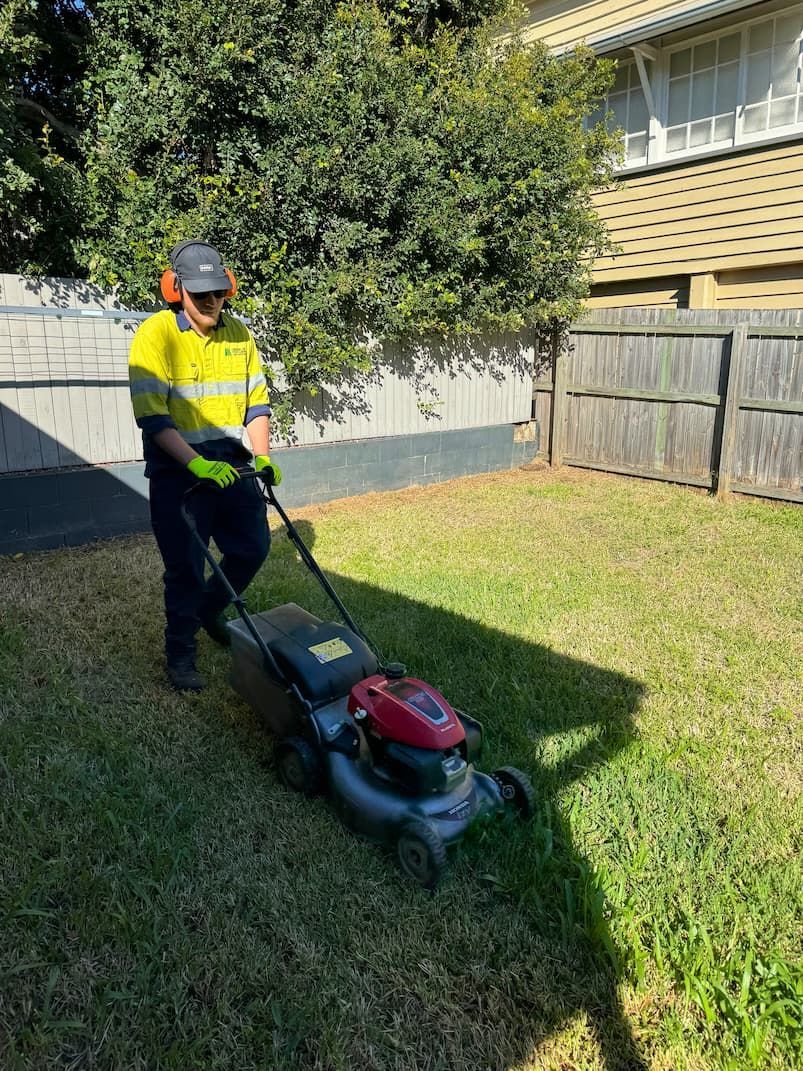
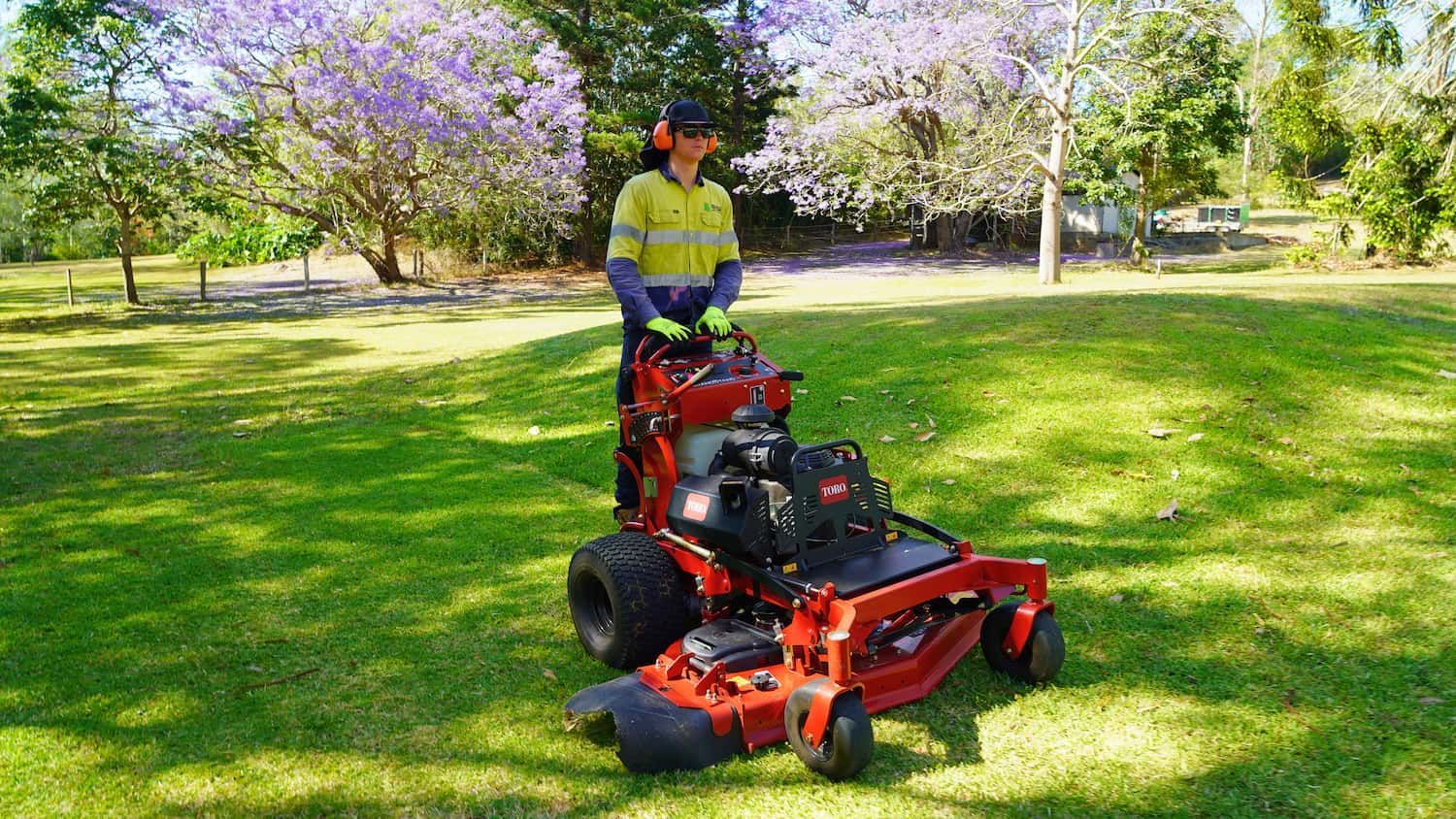
Step 6: Adjust Your Mowing Habits
Mowing incorrectly can undo all your hard work.
Lawn mowing tips:
- Never remove more than one-third of the grass height
- Keep mower blades sharp
- Raise mower height during hot weather
- Avoid mowing stressed or newly seeded lawns
Taller grass shades the soil and reduces moisture loss.
Step 7: Control Weeds and Pests Early
Bare patches attract weeds quickly.
- Spot-treat weeds rather than blanket spraying
- Use lawn-safe herbicides
- Monitor for pests such as grubs and caterpillars
If pests are suspected, early treatment can prevent widespread lawn loss.
How Long Does It Take for Grass to Recover?
Recovery time depends on the repair method.
- Overseeding: 4–8 weeks for visible improvement
- Returfing: Immediate results, full establishment in 4–6 weeks
- Soil improvement only: Gradual improvement over several months
Consistency is key — skipping watering or maintenance will delay results.
Preventing Dead Grass in the Future
Once your lawn is back on track, prevention becomes much easier.
- Maintain consistent watering
- Aerate annually
- Fertilise seasonally
- Avoid scalping when mowing
- Address drainage issues early
A proactive approach saves time, money, and frustration long-term.