How Often Should You Water Your Lawn?
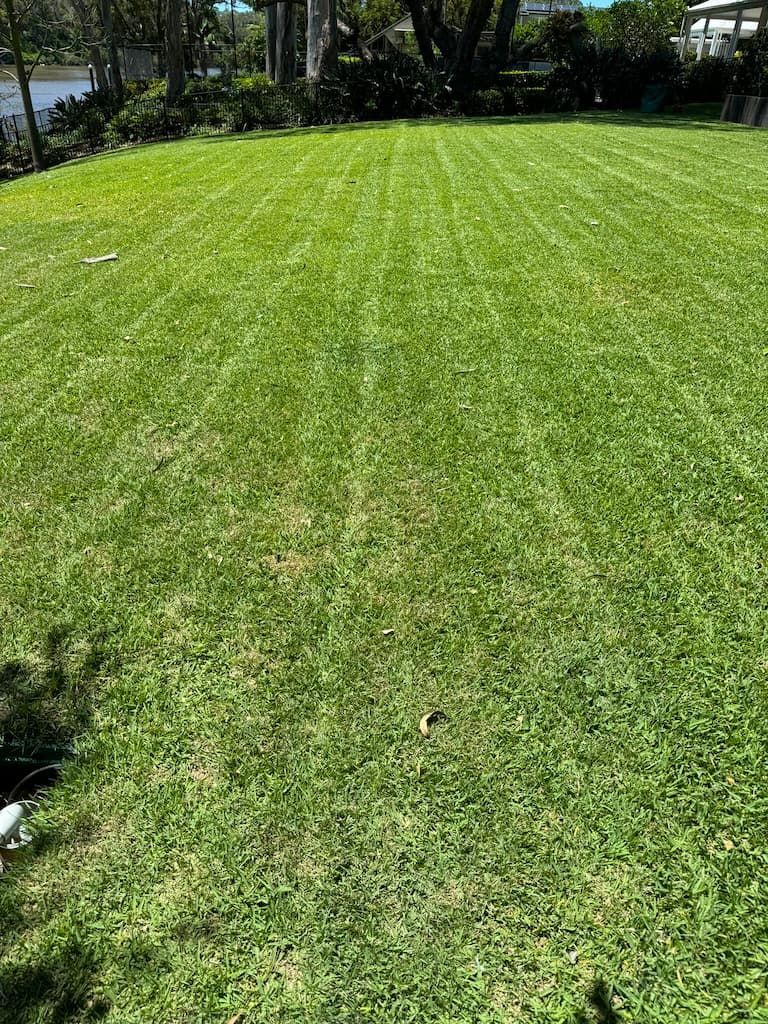
A well-watered lawn is essential for keeping your grass green, healthy and resilient against drought and pests. However, the frequency and method of watering can significantly impact your lawn’s health. Too little water leads to dry, patchy grass, while too much can cause root rot and fungal growth. So, how often should you water your lawn? Let’s explore the best watering schedule, seasonal variations and effective watering techniques.
Watering Frequency for Different Times of Year
Spring
As temperatures start to rise, your lawn will begin to grow more actively. In most parts of Australia, watering two to three times per week is sufficient during spring. This ensures the roots receive enough moisture as the weather warms up and the risk of evaporation increases.
Summer
During the hot Australian summer, especially in dry regions, your lawn will require deep watering three to four times per week to combat extreme heat and evaporation. In particularly hot areas, such as northern Australia, daily watering may be necessary for sandy or fast-draining soils. Watering in the early morning or late afternoon helps prevent evaporation and ensures the roots absorb the maximum moisture.
Autumn
As temperatures cool and rainfall increases, you can reduce your watering schedule to once or twice a week. This helps your lawn adjust to the cooler months while still maintaining strong roots.
Winter
Most Australian lawns require very little watering in winter, especially in southern regions where rain is more frequent. In most cases, watering once every two weeks (or not at all if there's consistent rainfall) is sufficient. However, in drier regions with minimal winter rainfall, watering once a week may be necessary.
Can You Overwater Your Lawn?
Yes! Overwatering is just as harmful as underwatering. When you water too frequently, it can lead to:
- Shallow Root Growth – Grass roots remain near the surface instead of growing deeper, making your lawn more vulnerable to drought.
- Fungal Growth – Excess moisture encourages mould, mildew, and lawn diseases such as brown patch or dollar spot.
- Nutrient Leaching – Watering too much washes away essential nutrients, leading to weaker grass growth.
- Water Waste – Overwatering increases water bills and is environmentally unsustainable, especially in drought-prone areas.
A good rule of thumb is to water deeply but less frequently to encourage strong root growth and a more drought-resistant lawn.
The Benefits of Watering Your Lawn Regularly
Regular watering provides several key benefits:
- Stronger Root Systems – Deep watering encourages roots to grow deeper, making your lawn more resilient in dry conditions.
- Lush Green Appearance – Proper hydration keeps grass looking vibrant, preventing brown patches and thinning areas.
- Improved Resistance to Weeds & Pests – A healthy lawn is more resistant to weed invasion and pests, reducing the need for herbicides or pesticides.
- Enhanced Soil Health – Consistent moisture keeps the soil structure intact, supporting beneficial microbes that help break down organic matter and improve fertility.
Best Ways to Water Your Lawn
Choosing the right watering method is crucial for maintaining an efficient and healthy lawn.
Sprinkler Systems
Sprinklers are one of the most effective ways to water a lawn, especially for larger yards. They distribute water evenly and can be set on timers for convenience. Different types of sprinklers include:
- Rotary Sprinklers – Best for medium to large lawns, covering a wide area with even water distribution.
- Oscillating Sprinklers – Great for rectangular lawns, moving back and forth to provide thorough coverage.
- Drip Irrigation Systems – Ideal for garden beds and smaller lawns, providing slow, deep watering directly to the roots.
Hand-Held Hose Watering
Watering your lawn with a hose is less efficient than using a sprinkler system but can still be effective for smaller areas. When using a hose, consider attaching a spray nozzle to control water flow and reduce waste.
Soaker Hoses
Soaker hoses are a great alternative for deep watering. These hoses slowly release water into the soil, allowing for gradual absorption without runoff or evaporation loss.
Smart Irrigation Systems
Modern smart irrigation controllers allow you to schedule watering times based on weather forecasts, ensuring your lawn gets the right amount of water without wasting resources. These systems are especially useful in areas with water restrictions.
Best Time of Day to Water Your Lawn
The best time to water your lawn is early in the morning (between 5 AM and 9 AM). This allows water to soak into the soil before the heat of the day causes evaporation. Watering in the evening can lead to prolonged moisture on the grass, increasing the risk of fungal growth.
Conclusion
Watering your lawn properly is all about balance. Understanding how often to water throughout the year, recognising the risks of overwatering, and choosing the best watering method can help you maintain a lush, healthy lawn.
By watering deeply but less frequently, and adjusting your routine based on the season, you’ll encourage strong root growth and a more resilient lawn. If you need help keeping your lawn in optimal condition, get in touch with Order Of The Lawn in Brisbane.