What Surfaces Should NOT Be Pressure Cleaned
Pressure cleaning is one of the fastest ways to refresh your property, but it’s not suitable for every surface. In Queensland’s climate—where humidity, mould and heavy rainfall are common—using the wrong pressure on the wrong surface can cause expensive and permanent damage.
In this guide, we’ll explain which surfaces should not be pressure cleaned, why they’re at risk, and the safer alternatives that deliver great results without causing harm.
Why Pressure Cleaning Can Be Risky on Some Surfaces
High-pressure water doesn’t just remove dirt—it can:
- Strip protective coatings
- Etch or pit surfaces
- Force water into cracks and cavities
- Cause long-term structural or moisture damage
This risk increases when surfaces are older, weathered, or already compromised.
1. Roof Tiles (Especially Older or Painted Roofs)
Why you should avoid pressure cleaning:
High pressure can crack tiles, strip protective coatings and force water underneath the roof, leading to leaks and ceiling damage.
Common risks:
- Broken or dislodged tiles
- Water entering the roof cavity
- Removal of sealants and paints
- Accelerated roof deterioration
Safer alternative:
Low-pressure roof washing using appropriate cleaning solutions to remove moss, lichen and grime without damaging tiles.
2. Timber Decks and Weathered Wood
Why you should avoid pressure cleaning:
Timber is soft and porous. High pressure can tear wood fibres, leaving the surface rough, splintered and vulnerable to rot.
Common risks:
- Raised grain and splintering
- Permanent surface scarring
- Shortened lifespan of the deck
Safer alternative:
Low-pressure cleaning with timber-safe detergents, combined with gentle scrubbing where required.
3. Painted Surfaces (Walls, Fences & Trim)
Why you should avoid pressure cleaning:
Pressure washers can easily strip paint, especially on older or sun-damaged surfaces.
Common risks:
- Peeling and flaking paint
- Water penetration behind walls
- Increased repainting costs
Safer alternative:
Soft washing using mild detergents and controlled water pressure suited to painted finishes.
4. Rendered Walls and Acrylic Finishes
Why you should avoid pressure cleaning:
Render is brittle and can crack or chip under high pressure. Once water enters these cracks, it can cause staining, mould growth and internal moisture issues.
Common risks:
- Cracking and surface damage
- Water ingress behind render
- Long-term staining
Safer alternative:
Soft washing techniques designed specifically for delicate exterior surfaces.
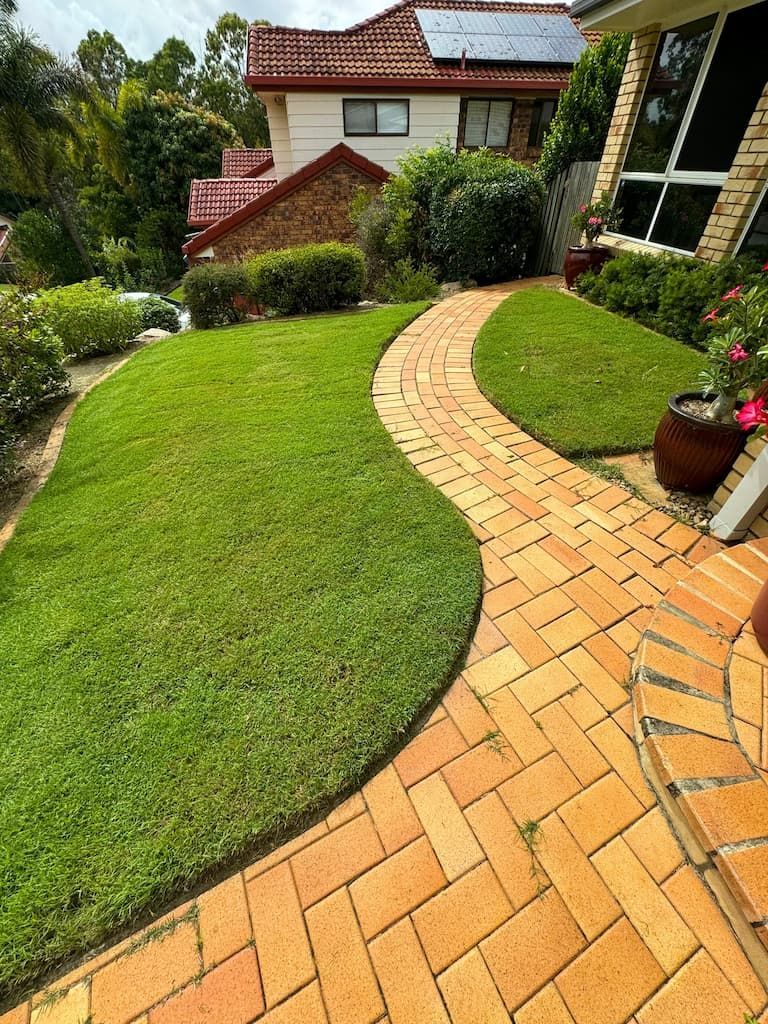
5. Pavers with Loose Jointing Sand
Why you should avoid pressure cleaning:
High pressure can blow out jointing sand, destabilising the pavers and allowing weeds to grow faster.
Common risks:
- Uneven or shifting pavers
- Increased weed growth
- Costly re-sanding repairs
Safer alternative:
Controlled pressure cleaning, followed by re-sanding joints where required.
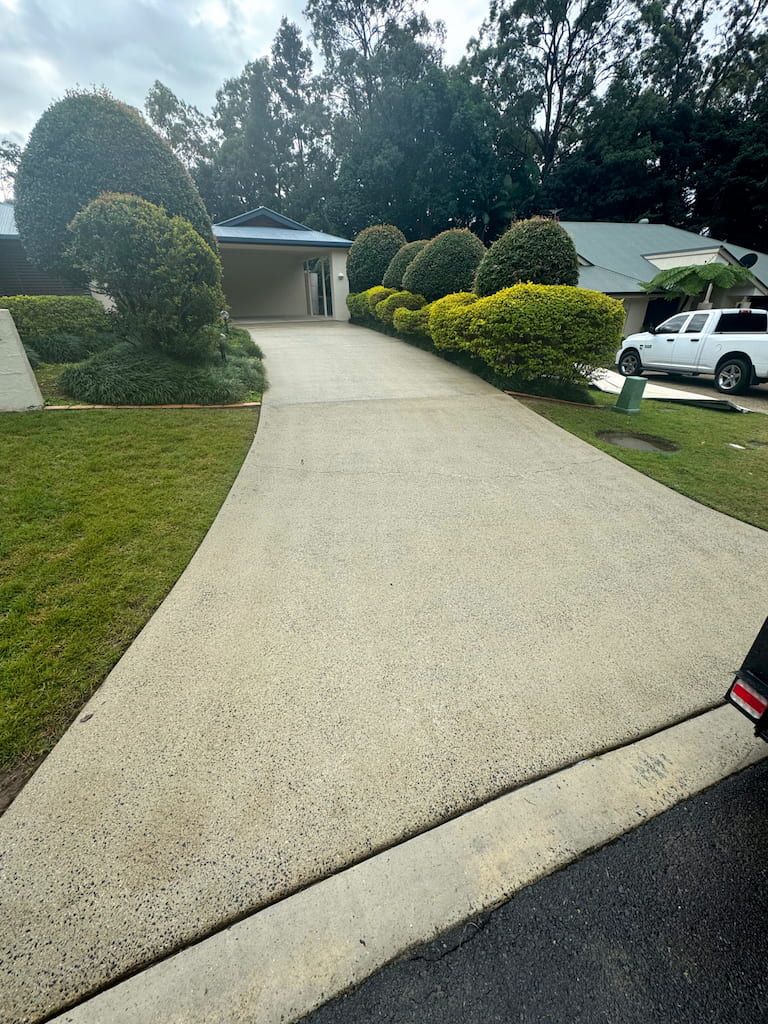
6. Older Concrete and Decorative Concrete
Why you should be cautious:
While concrete is generally safe to clean, older or decorative concrete can be etched or damaged if pressure is too high.
Common risks:
- Etching and visible pressure marks
- Surface weakening
- Reduced lifespan
Safer alternative:
Using surface-specific pressure levels and professional equipment that allows precise control.
7. Windows, Seals and External Fixtures
Why you should avoid pressure cleaning:
High-pressure water can penetrate seals around windows, doors, light fittings and vents.
Common risks:
- Water leaks inside the home
- Electrical hazards
- Damaged seals and frames
Safer alternative:
Low-pressure rinsing or manual cleaning where required.
Pressure Cleaning vs Soft Washing: What Homeowners Should Know
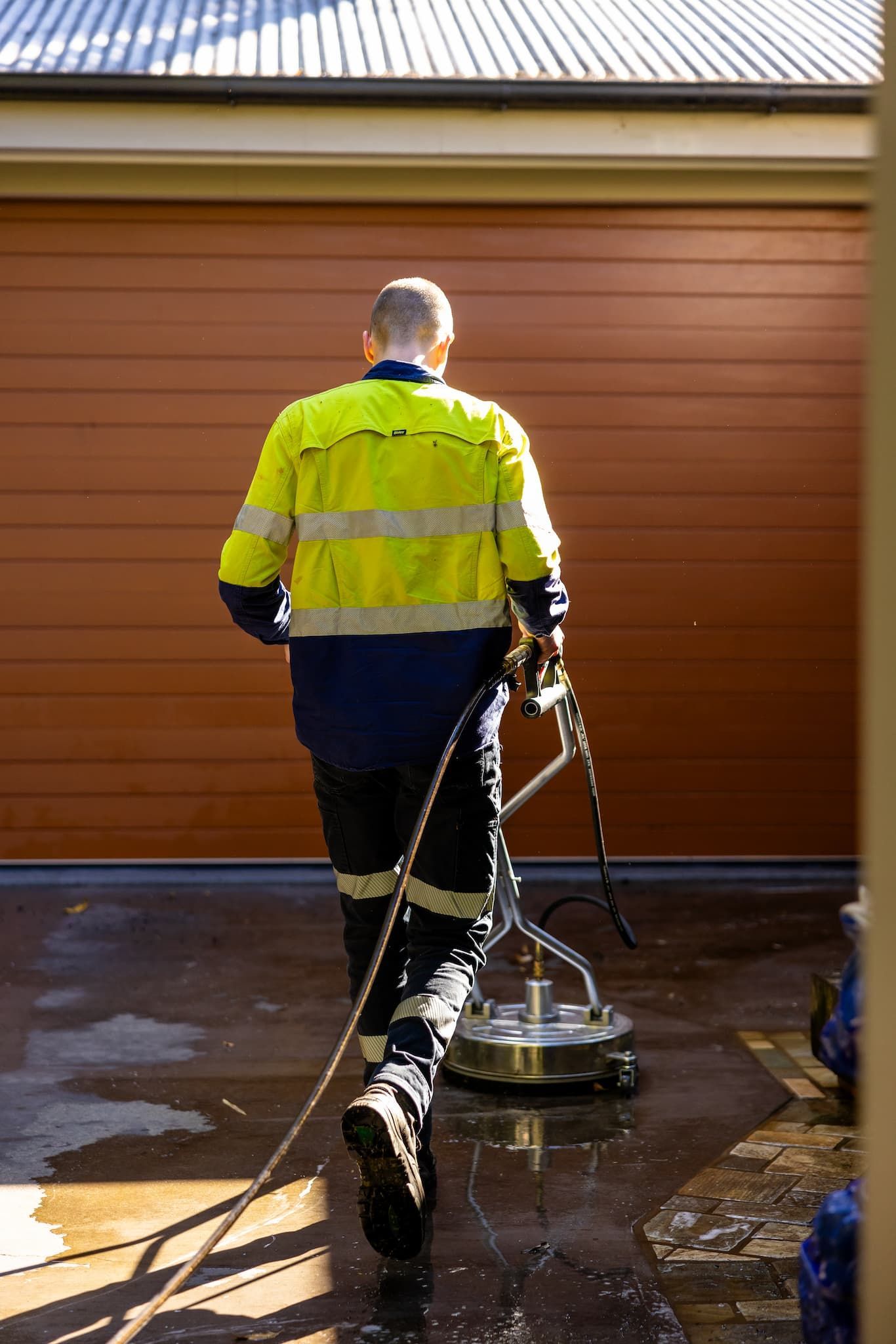
Pressure cleaning is best suited to hard, durable surfaces like driveways, paths and certain concrete areas. Soft washing, on the other hand, uses low pressure combined with cleaning solutions and is far safer for roofs, walls, timber, render and painted surfaces.
Knowing when to use each method is essential to achieving great results without causing damage.
Why DIY Pressure Cleaning Can Cost More in the Long Run
Many homeowners hire a pressure washer thinking it will save money. Unfortunately, common DIY mistakes often lead to:
- Permanent surface damage
- Water leaks and mould issues
- Higher repair and repainting costs
- Reduced property value
Using the wrong nozzle or pressure setting can cause damage in seconds.
Professional Pressure Cleaning Makes the Difference
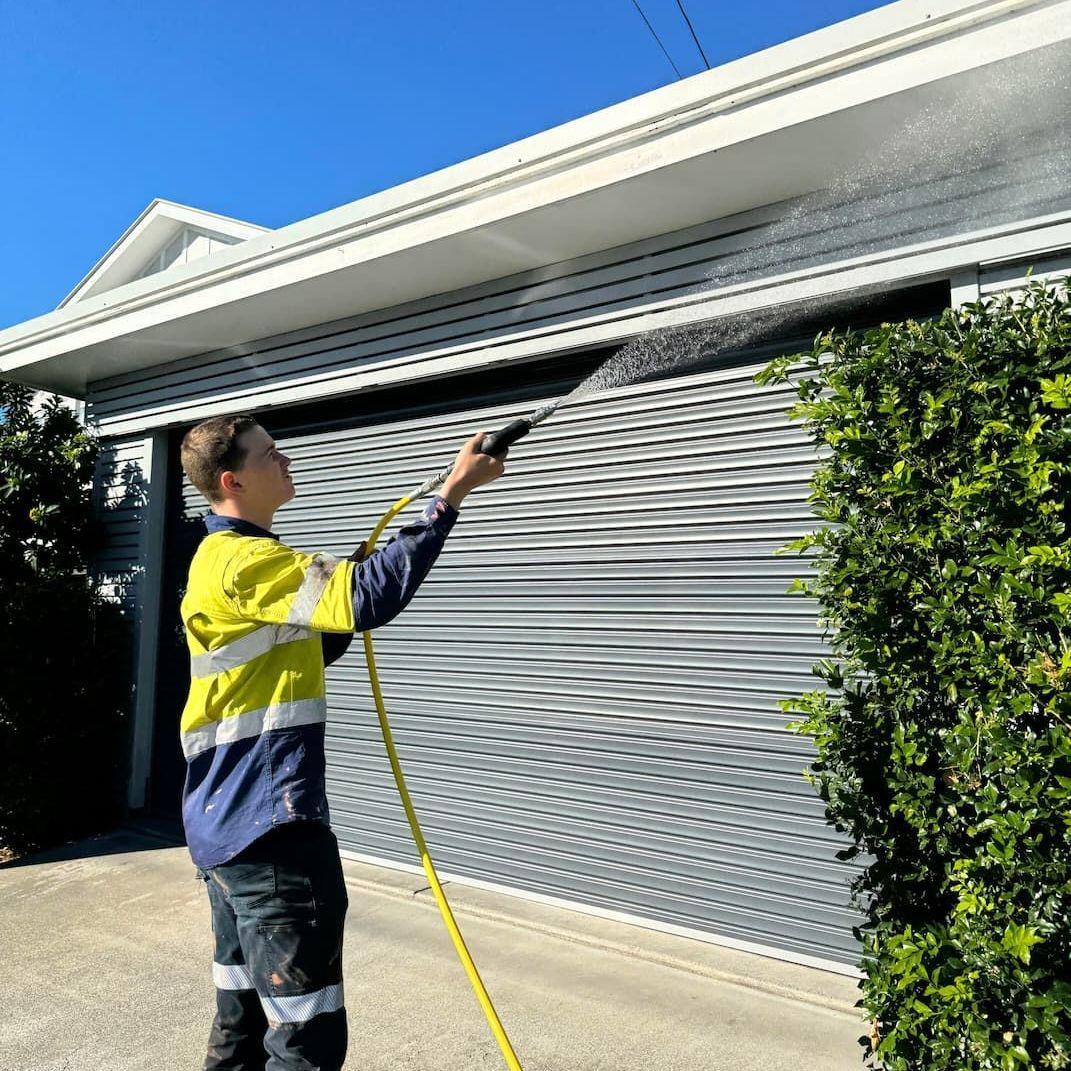
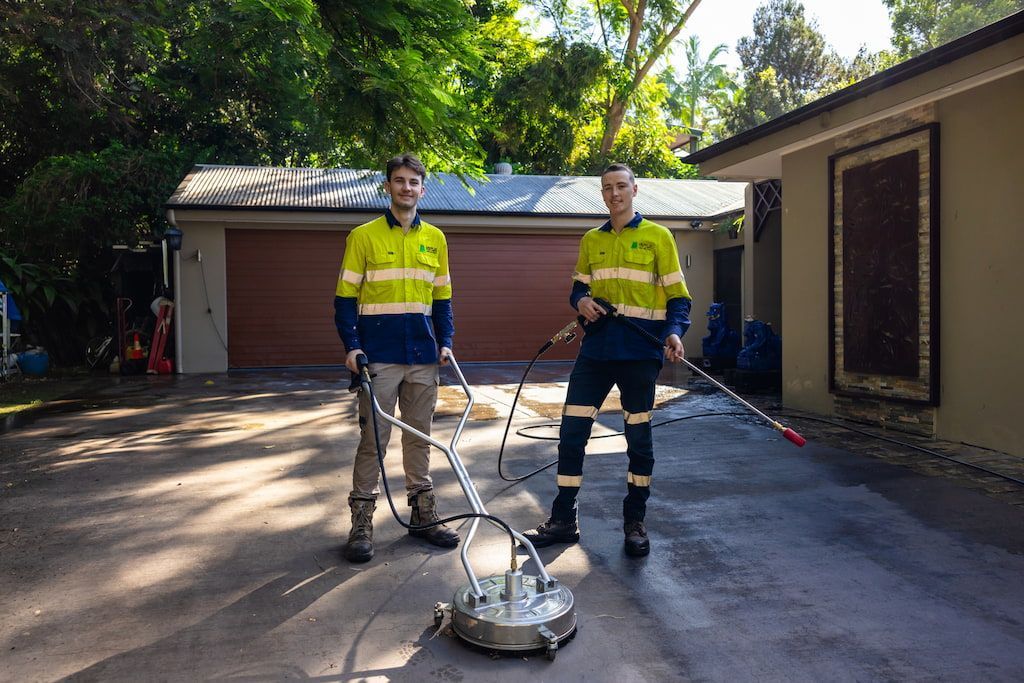
At Order Of The Lawn, we assess every surface before cleaning. That means:
- Correct pressure for each material
- Safe alternatives like soft washing where required
- Protecting your home, not just making it look clean
We clean driveways, paths, patios, walls, roofs and outdoor areas across Brisbane using professional equipment and proven methods.
Conclusion
Pressure cleaning is extremely effective—but only when used on the right surfaces, in the right way. Knowing what not to pressure clean is just as important as knowing what you can.
If you’re unsure how to clean a surface safely, it’s always best to speak with a professional before damage occurs.
Need expert pressure cleaning in Brisbane?
Contact Order Of The Lawn for safe, reliable exterior cleaning tailored to your property.